
Skip to content
Caricamento… / Loading…

Road barriers

W&S road barriers

Dual configuration, single reliability.

Certified guardrails in wood-steel or steel only
Our safety barriers are designed to offer the highest level of protection, long-term durability and flexibility of use. Thanks to a revolutionary construction concept based on the modularity of the components, they are the ideal solution for every type of infrastructure, combining excellent technical performance, logistics optimisation and aesthetic sensitivity.

The real strength of our system lies in sharing the same base components.

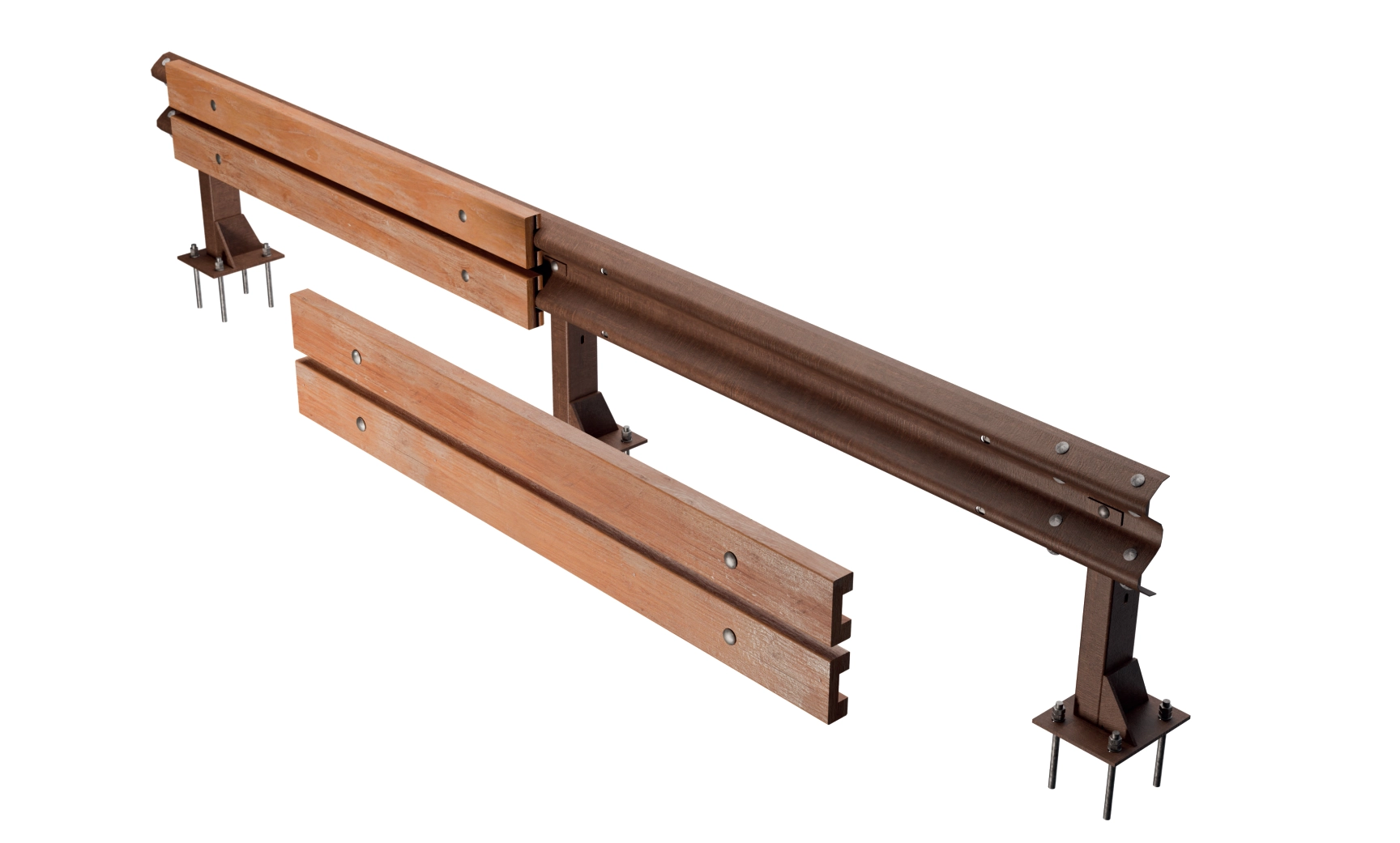
Wood-steel barriers and steel-only barriers are not two structurally different products, but the evolution of one another through the addition or removal of elements:

Total integration

The barrier in the wood-steel configuration is conceived as a complete, harmonious and rigorously certified system.
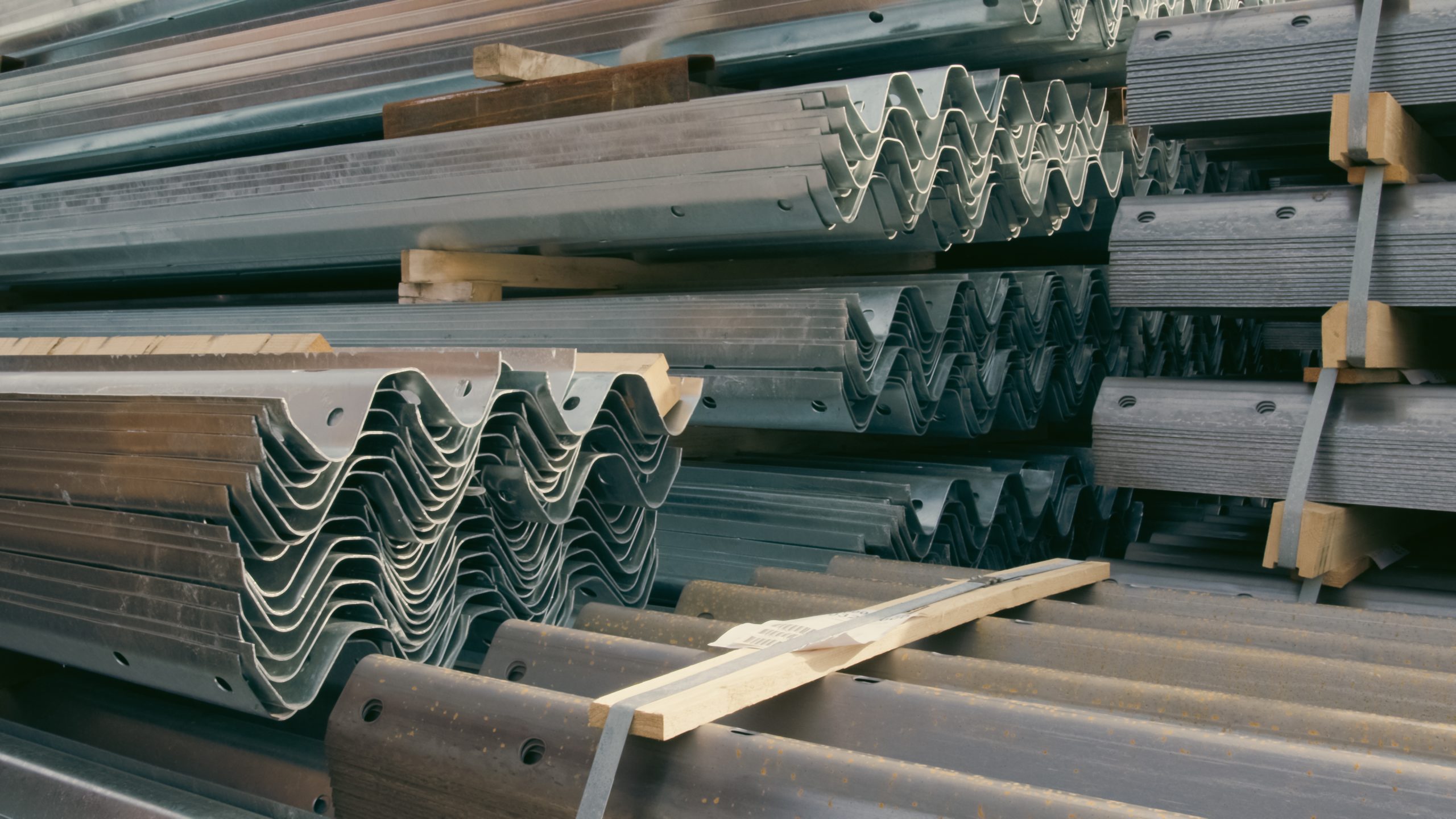

Modularity and subtraction:

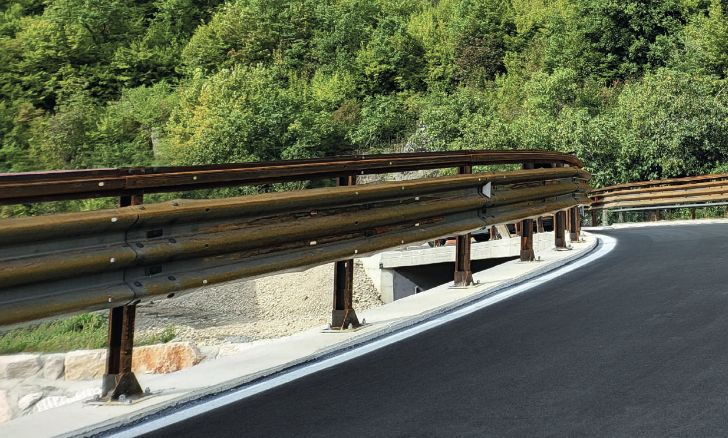
If the wood cladding is removed from the wood-steel barrier, the remaining steel-only structure is in itself another configuration of the range.
Unchanged safety

Switching from one configuration to another does not compromise the device’s effectiveness. This approach guarantees the certainty of always having a legally certified safety device.

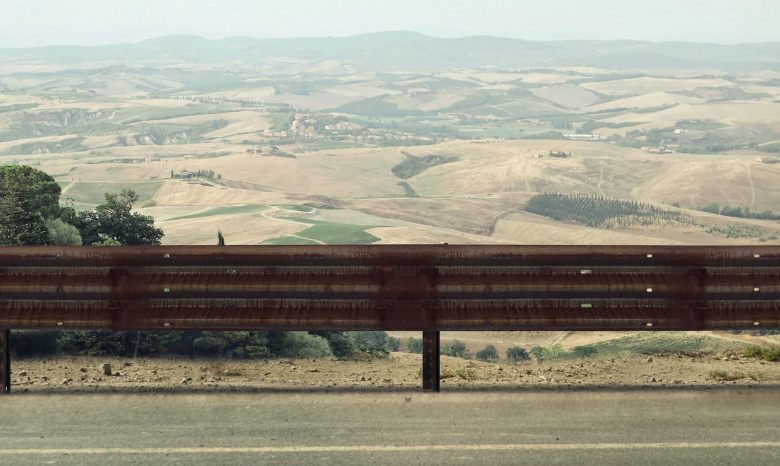
The configurations

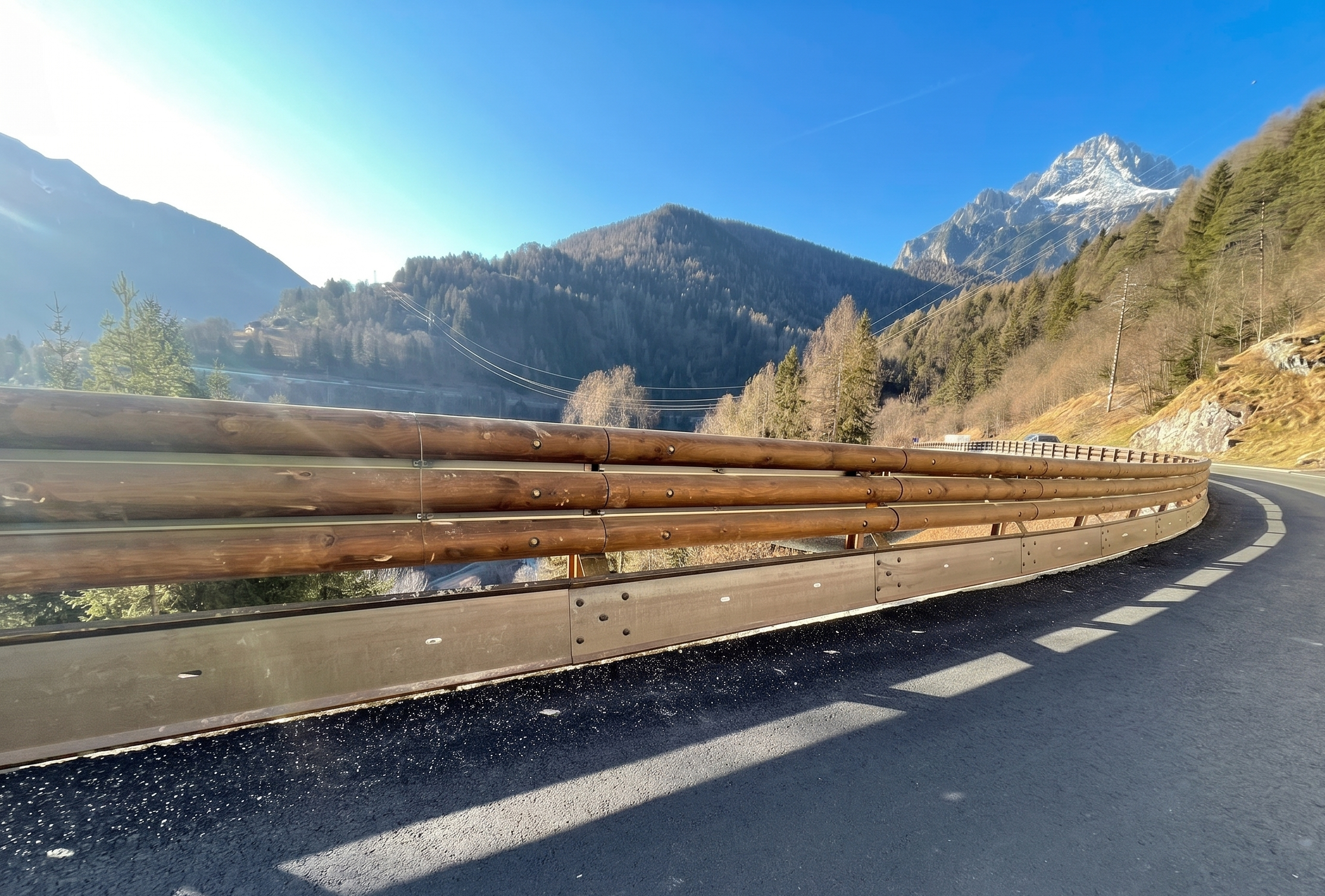
Wood-steel configuration
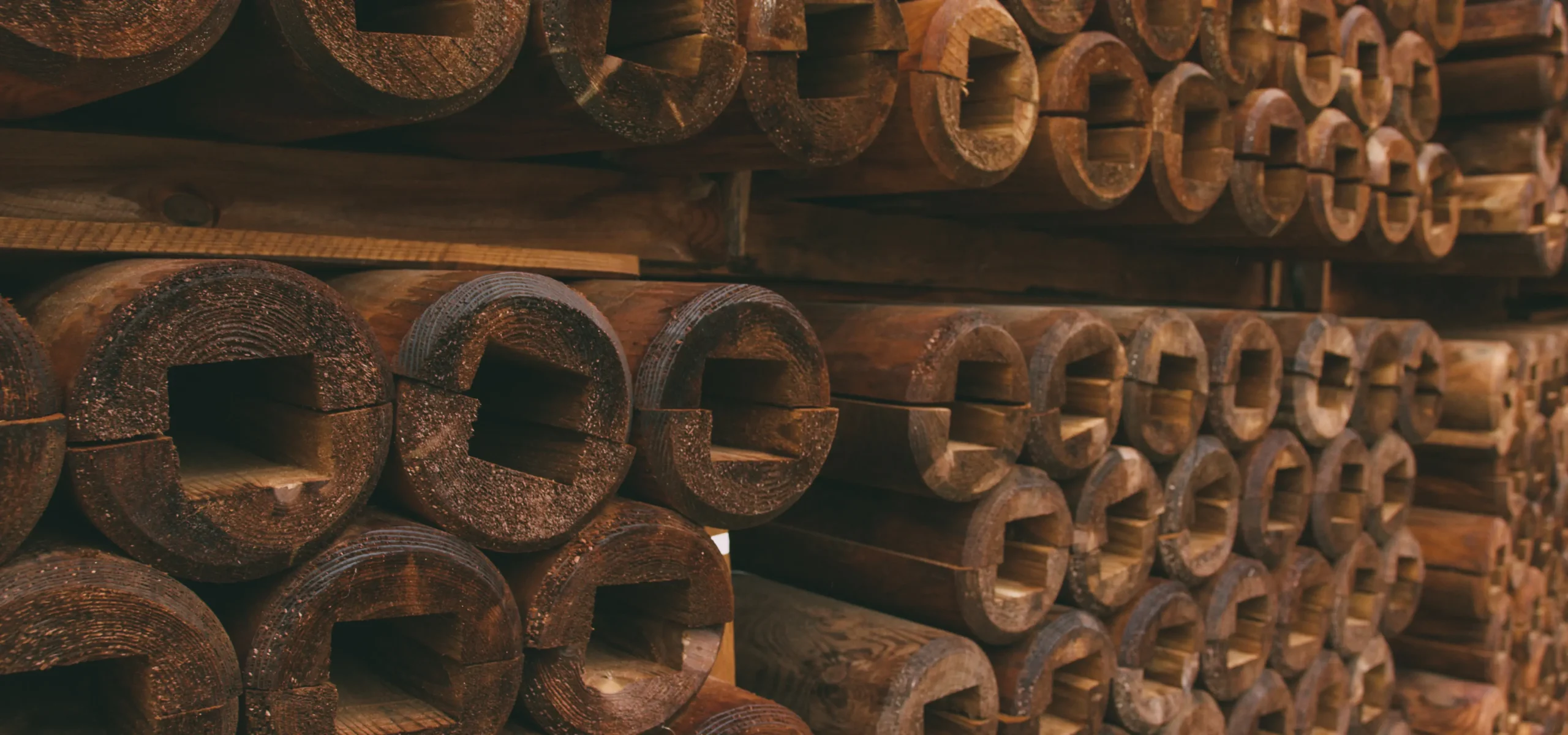
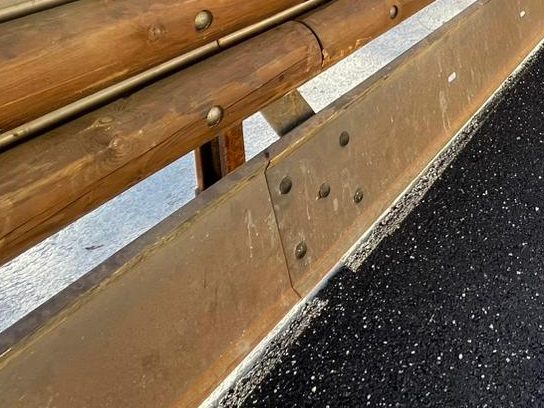
The perfect choice for landscapes of value, parks, urban areas or scenic roads. The warmth of the wood clads the structural steel core, offering a low visual impact and perfect environmental integration.
Steel-only configuration
The classic, high-performance solution, ideal for motorways, extra-urban roads, viaducts or industrial settings where a slender profile and maximum structural efficiency are preferred.
The advantages of modular design

Logistics optimisation and sustainability

The use of interchangeable components drastically reduces waste and optimises warehouse stock for both the manufacturer and the managing bodies. This sustainable approach translates into a lower environmental impact thanks to the rationalisation of resources and an incredibly simplified management of the components. Fewer warehouse codes and standardised parts mean a leaner supply chain, a reduction in unnecessary transport and much faster delivery times.

Cutting-edge quality

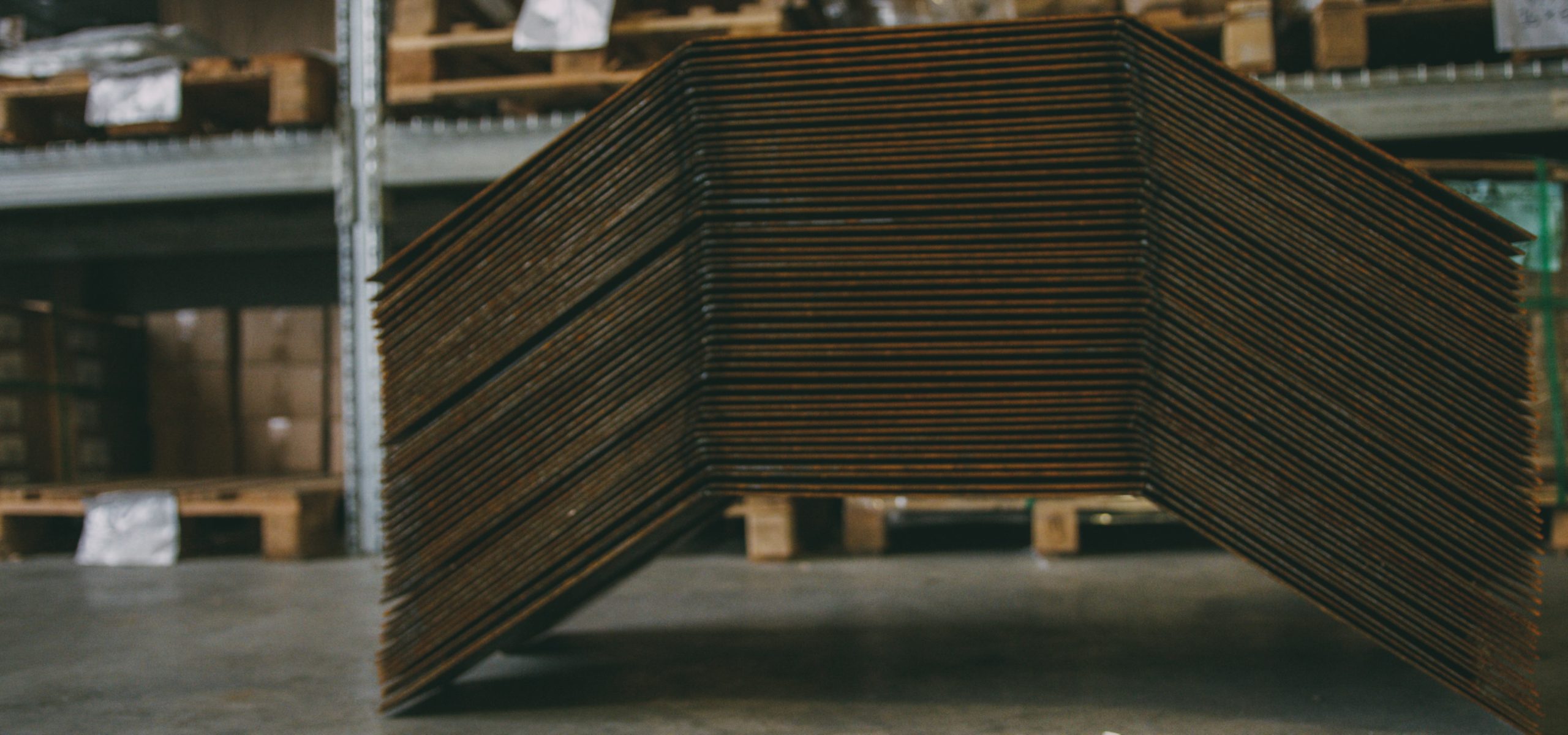
The quality of the system is based on rigorous technical pillars and excellent materials: • Certified and independent safety: Every configuration (with or without wood) is rigorously tested and provided with regular certification according to the most recent road safety standards. The behaviour on impact is designed to contain vehicles in a controlled way in both variants. • Durability and resistance: Top-quality materials and cutting-edge anti-corrosion treatments such as CORTEN® steel and autoclave impregnation of the wood guarantee the maximum operational longevity of the product.

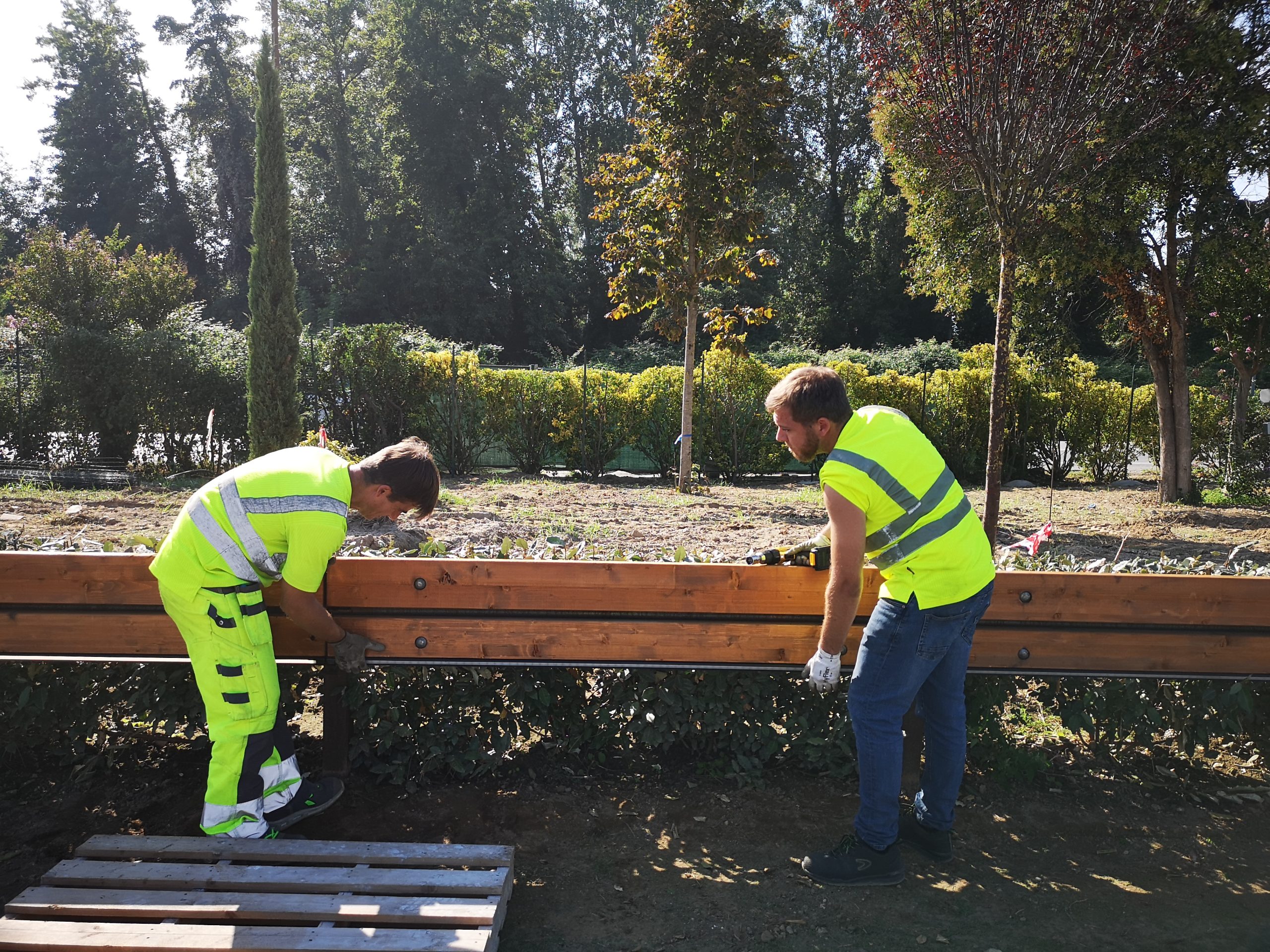
Ease of installation and maintenance

The system's native modularity offers unprecedented flexibility during installation, speeding up construction-site times. Moreover, the standardisation of the base components makes maintenance operations extremely economical and immediate: in the event of post-accident restoration, technicians can act in a targeted way, replacing only the strictly necessary components, minimising traffic-interruption times and management costs.
Barriers certified with a Motorcyclist Protection System (MPS)

MUGELLO line

A certified safety system that offers protection to motorcyclists, designed to eliminate the critical points of the road, using elements integrated into our range of barriers through shaped brackets and plates that further enhance the prestige of our devices.
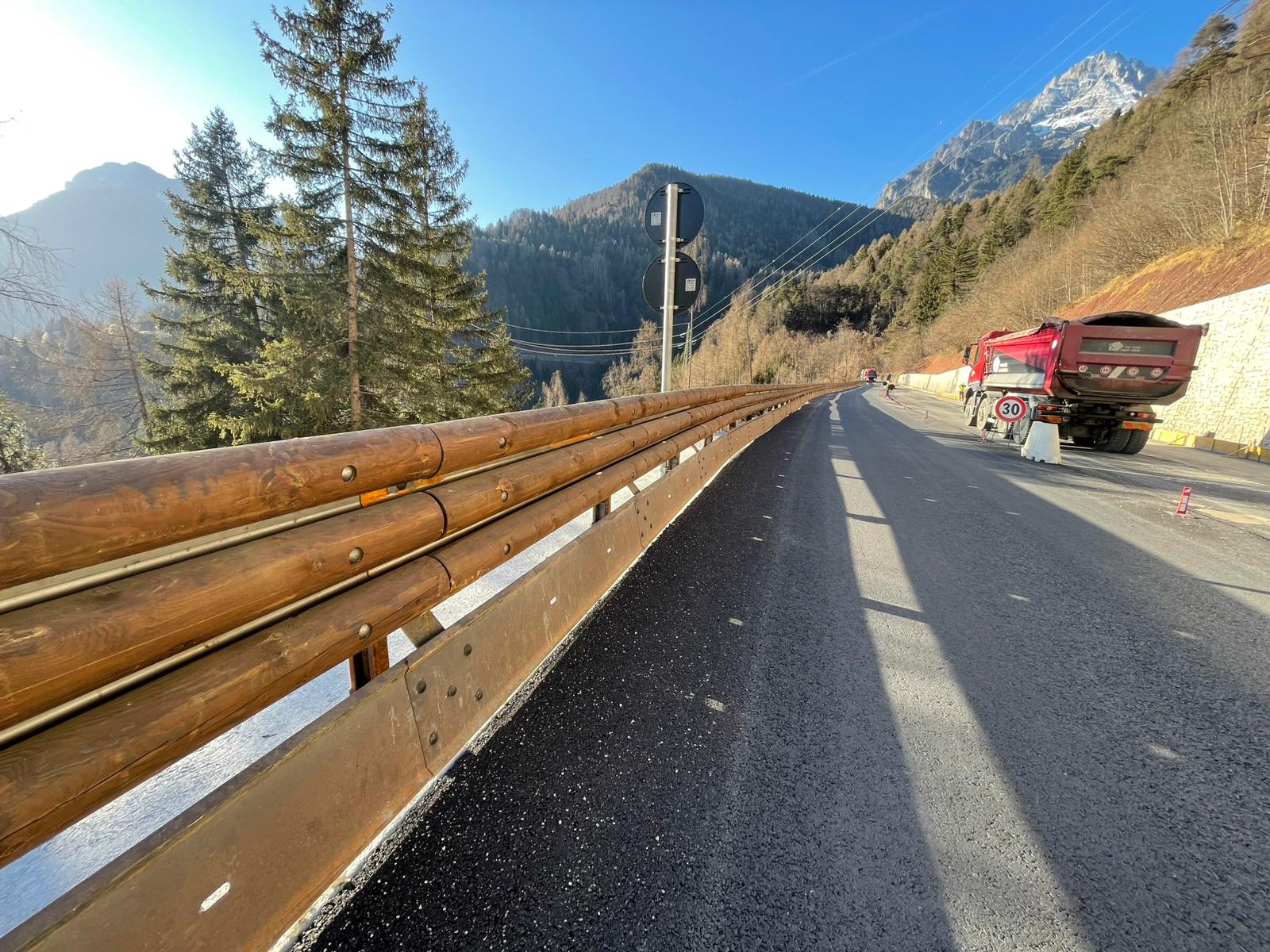
The advantages of the Mugello line

Continuous protection

A slightly inclined plate covers the lower part of the barrier, eliminating the possibility of hitting its posts or passing over it — events that represent the greatest risks for road users.

Impact-absorbing materials

The use of structurally dynamic elements allows the entire barrier to achieve a perfect balance between structural rigidity and controlled flexibility, making it possible to absorb most of the kinetic energy of any impact from a free body.

Integration and homologation

The system is not a mere accessory but a genuine line of barriers certified according to the technical specification CEN/TS 1317-8, which assesses the effectiveness of road restraint devices specific to reducing the impact severity for motorcyclists.
Woodled line

Barriers certified with integrated lighting

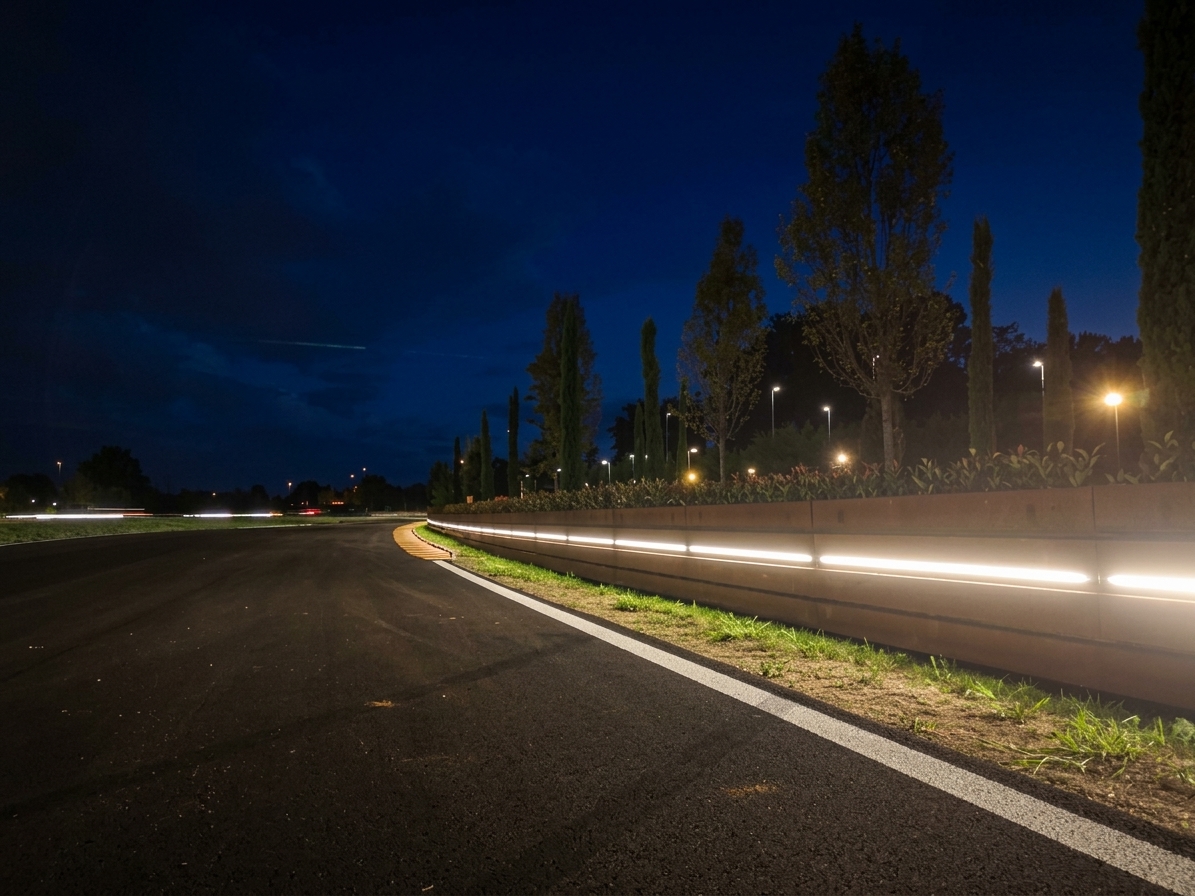
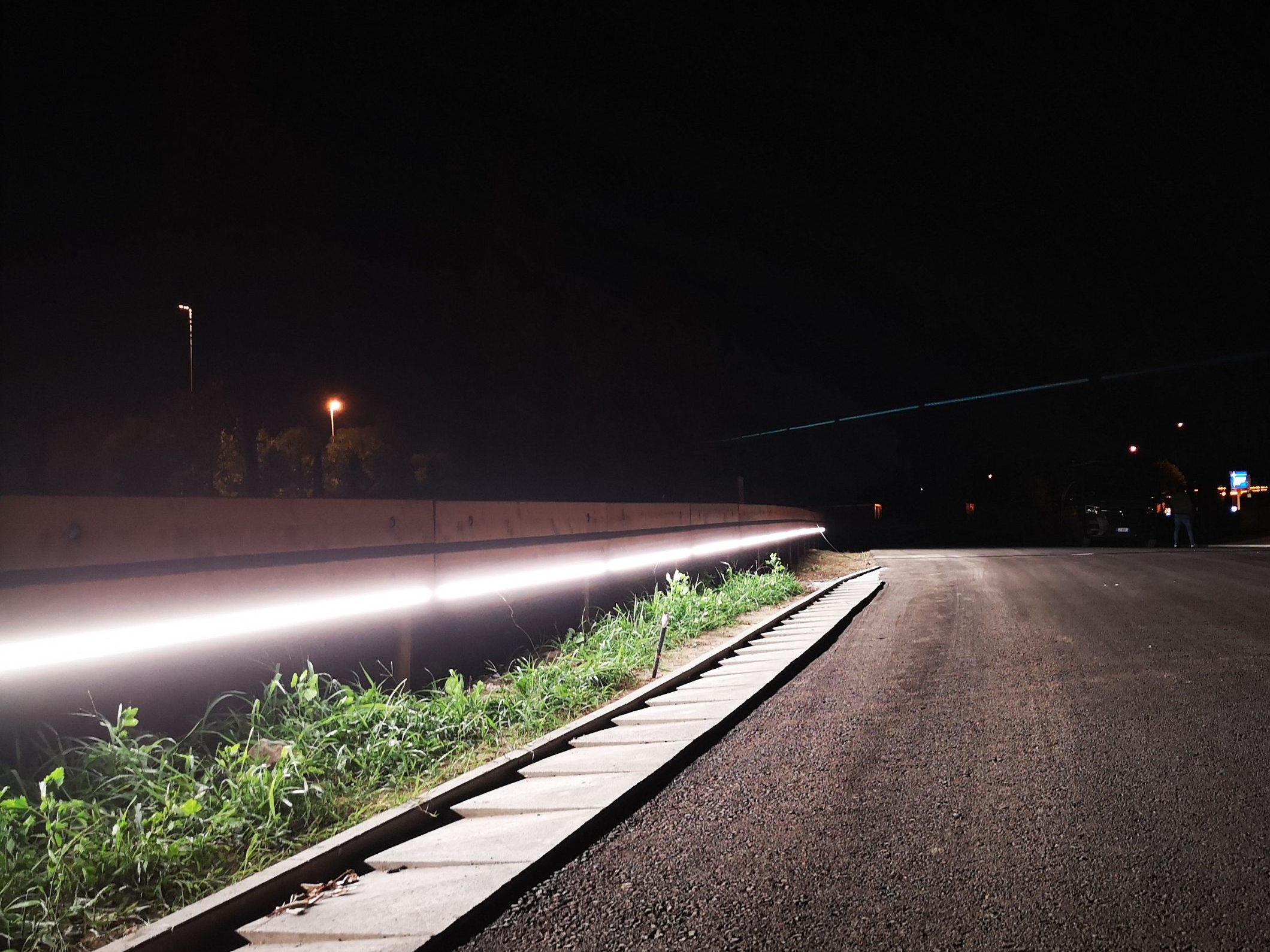
The WOODLED line represents a true evolution in the world of road safety. It combines the strength of wooden protection barriers (our LAMELLARE Line) with the innovative G-Light LED lighting system, integrated directly into the lower part of the structure. The result? An elegant and safe solution that replaces the old, bulky street lamps, offering extraordinary advantages in terms of visibility, savings and respect for the environment.
The advantages of modular design

Considered horizontality

Classic street lamps create a “seesaw” effect: plenty of light under the pole and darker areas in the space between one lamp and the next. The WOODLED line, instead, offers continuous and uniform lighting that perfectly follows the curve of the road. This continuous line of light makes the road's trajectory immediately visible and easy to follow, especially when visibility is minimal due to heavy rain or thick fog. This continuous line of light makes the road's trajectory immediately visible and easy to follow, especially when visibility is minimal due to heavy rain or thick fog, avoiding the “wall effect”.

Functional system

Traditional lighting systems require enormous poles, concrete foundations, deep excavations and a great deal of electricity to cast light from above, but the WOODLED line completely overturns this paradigm. By integrating directly into the safety barrier, this system removes the need for major masonry works or complex excavations, ensuring quick and immediate installation. Moreover, the use of a low-consumption technology aimed exclusively at the road results in exceptional energy savings compared with old street lamps. Maintenance also becomes extremely simplified, since the replacement or repair of components takes place at ground level, in complete safety and without the need for cranes or telescopic ladders that are dangerous for operators.

A precious ally for nature

It is often overlooked, but large traditional street lamps disperse a great deal of light towards points that do not need to be lit, disturbing the natural rhythms of plants and animals. The WOODLED line is designed to be deeply eco-friendly: by projecting the light beam exclusively onto the road surface, it not only eliminates light pollution, leaving the beauty of the night sky intact, but also protects local wildlife by creating a genuine “visual boundary” that discourages wild animals from entering the transit area, thereby drastically reducing the risk of accidents.
The key standards of the sector

Regulatory framework and latest reference standards

The road restraint devices sector is governed by a continuously evolving regulatory framework, aimed at constantly raising safety standards on our roads.

EN 1317

It is the fundamental regulatory pillar. It governs the test methods, the acceptance criteria for crash tests and the performance classes of barriers.

EN 1317-1, -2

They define the containment classes (from H1 to H4b for heavy loads, N2 or T3 for light ones), the impact severity levels (ASI and THIV indices) and the working width ($W$).

EN 1317-5

It specifies the product requirements and the conformity assessment for CE marking.

National ministerial decrees

The transposition of European standards is integrated with the guidelines of the Ministry of Infrastructure and Transport, which define the criteria for choosing and correctly installing the devices according to the type of road and traffic volumes.

Updates and new standards

We constantly monitor the developments of the technical committees (such as CEN/TC 226) in order to immediately adopt the latest provisions on the sustainability of materials and the digitalisation of barrier monitoring systems.